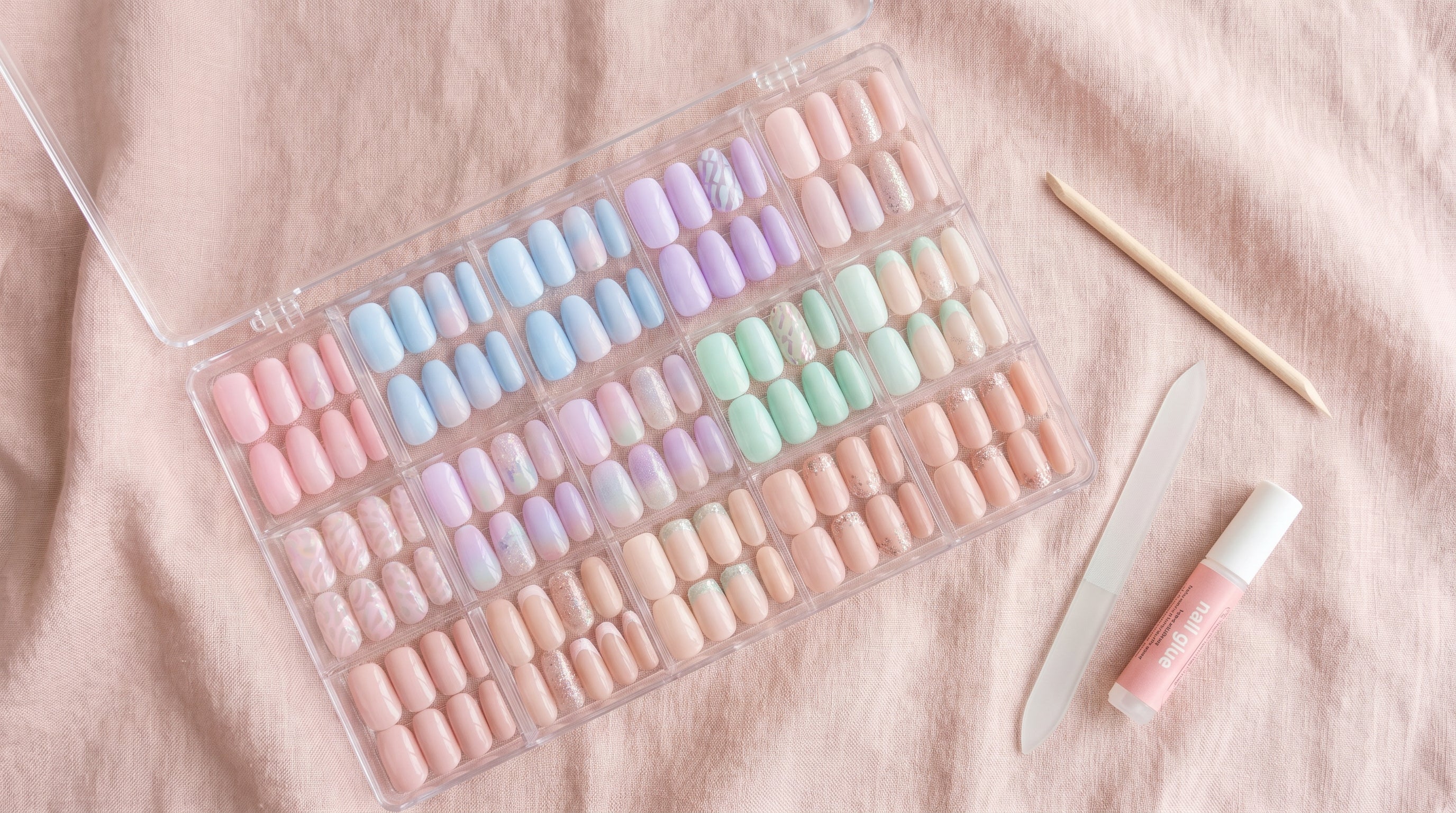
press-on nails
How to Store Press-On Nails: Keep Your Collection Organised and Ready to Use
The right storage keeps your press-on nails in perfect condition for multiple uses.
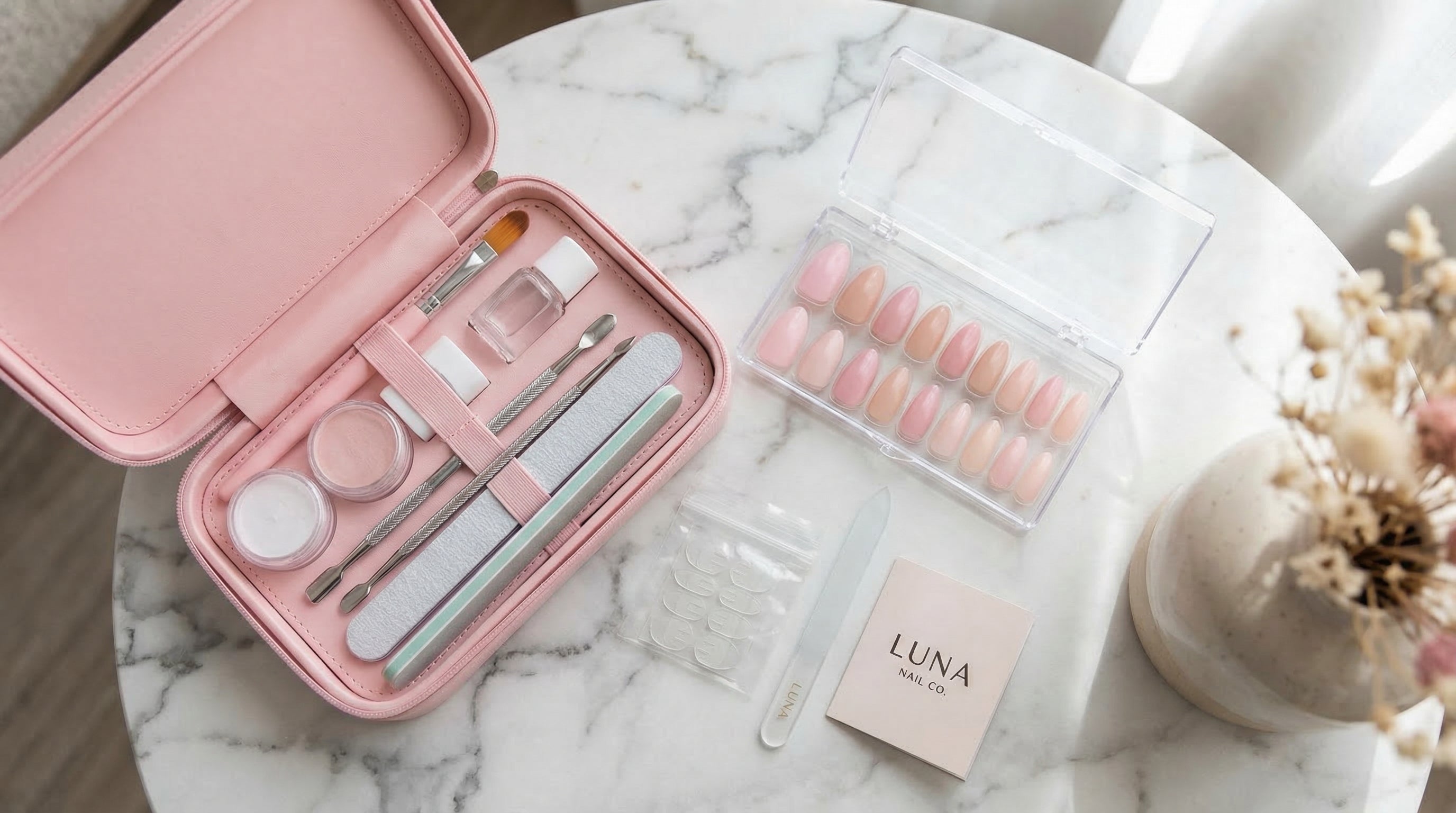
Press-on nails are cheaper, less damaging, and faster to apply than acrylics — but acrylics have genuine advantages too. Here's an honest, side-by-side comparison so you can make a choice that actually fits your life.
Acrylic nails are applied by a nail technician using a mixture of acrylic powder and liquid monomer. The mixture hardens on your natural nail or a tip extension, forming a rigid layer that's then filed and shaped before polish or gel colour is added. A full set typically takes 90 minutes to two hours at a salon.
Acrylics are celebrated for their hardness. If you break your nails easily or want extra-long extensions that can hold up under daily wear, acrylics deliver real strength. But that durability comes with a cost — both financially and for your natural nails.
Press-on nails are pre-shaped artificial nails you apply yourself at home using nail glue or adhesive tabs. High-quality press-ons — like those made by Popink — are handcrafted to fit properly and finish neatly. The result looks like a professional set, and you can do it yourself in ten to fifteen minutes.
Modern press-ons bear no resemblance to the flimsy plastic sets from the drugstore. Premium press-ons sit flush to your nail, hold up through a full workweek, and come in designs that are genuinely beautiful — not just serviceable.
A full set of acrylics at a Dutch salon typically costs between €50 and €100. Every two to three weeks, you'll need a fill (€25–€50). Over the course of a year, that adds up to €600–€1,200 or more — not counting transport and tips.
Press-on nails cost a fraction of that. A premium Popink set runs €12–€25, and with careful removal, it can be reused multiple times. Do the maths: even if you buy a new set every two weeks, you're spending far less than you would on regular salon visits.
With regular fills, acrylics can last indefinitely as an ongoing nail system. Individual nails may break, but a technician can patch and repair them easily.
Press-on nails, applied with proper prep — clean, dry, oil-free nails, good glue, and minimal prolonged water exposure — last one to three weeks per application. Some customers reuse the same set five to ten times over an extended period.
The honest verdict: if you want nails that are always there without thinking about it, acrylics offer consistent coverage. If you want flexibility — to swap sets, give your nails a break, or match a specific occasion — press-ons win.
This is where acrylics take the most criticism — and rightly so.
Applying acrylics requires buffing or filing your natural nail surface to create adhesion. Removal involves soaking in acetone, sometimes combined with mechanical filing. Regular acrylic use thins your nails over time. Many long-term acrylic wearers find their natural nails become brittle, soft, or sensitive after years of treatment.
Press-on nails leave your natural nails largely intact. You apply a thin base or primer, stick the nail on, and remove it with warm water or cuticle oil. No harsh chemicals, no abrasion.
If nail health is a priority for you, press-ons are the clear winner.
Acrylics require:
Acrylics genuinely make sense if:
Press-ons are the better option if:
Some people use press-ons alongside a broader nail routine — acrylics for a long stint, then press-ons for special occasions when they want something specific. That works well, as long as you give your nails enough recovery time between treatments.
Also worth reading: our gel nails vs press-on nails comparison if you're also weighing gel as an option.
High-quality press-ons are surprisingly durable, but they're not as rigid as acrylics. For everyday use and light-to-moderate activity, press-ons hold up well. For heavy manual work or if you regularly break your nails, acrylics offer more structural strength.
Yes — if you remove them carefully using warm water or cuticle oil, most premium press-ons can be reused three to five times or more. Store them in their original packaging, away from direct sunlight and moisture.
With a bit of practice, you can apply a full set in ten to fifteen minutes. The first time takes a little longer while you're sizing the nails — after that, it becomes fast and straightforward.
In most cases, yes. Press-ons don't require filing or buffing your natural nail, and removal is far gentler than the acetone soak used for acrylics. Your nails stay considerably more intact with press-ons over time.
Sets range from €12 to €25 depending on the design. Compared to a salon visit — and especially when you factor in reuse — press-ons offer significantly better value per wear.
Ready to make the switch from acrylics? Browse the Popink collection and find a set that matches your style, your occasion, or just your mood today. No appointment needed — just beautiful nails, in minutes.
The right storage keeps your press-on nails in perfect condition for multiple uses.
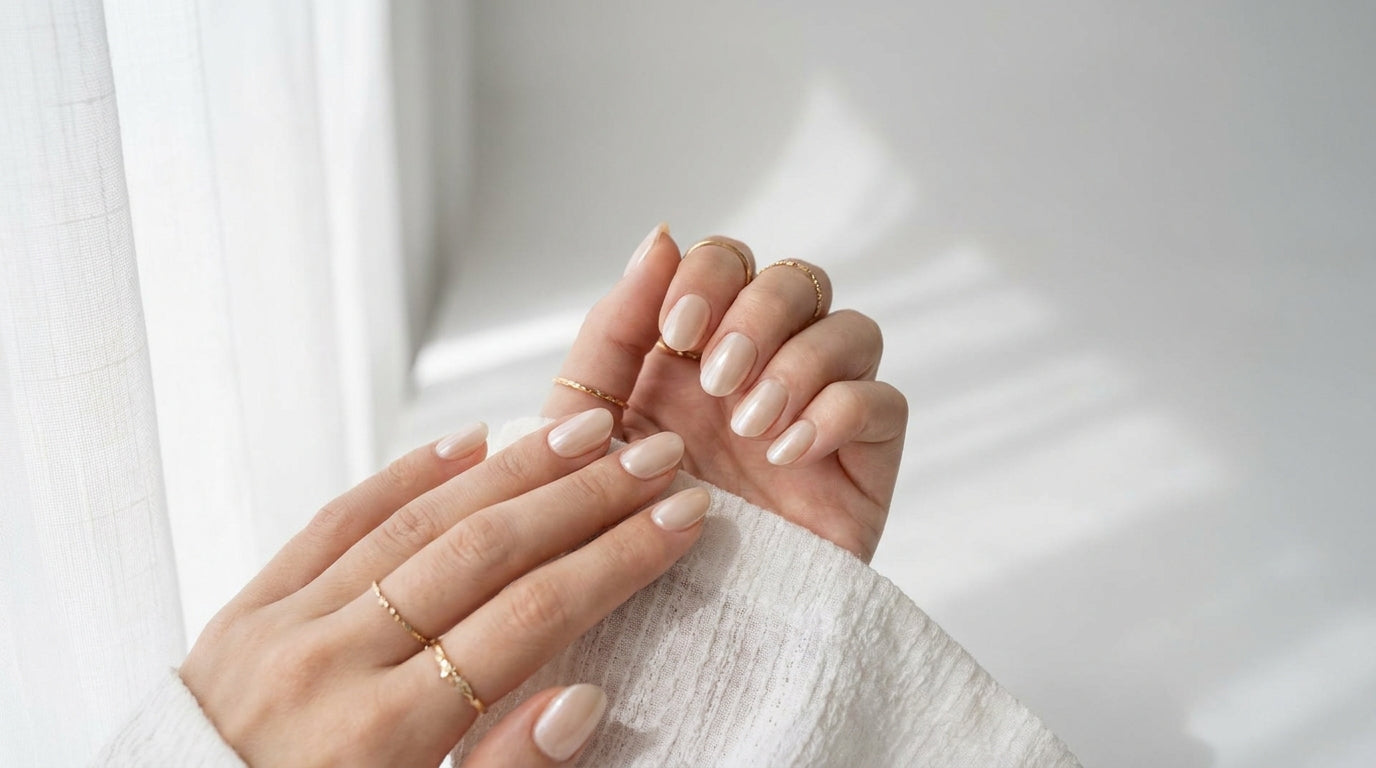
Clean girl nails are one of the biggest nail trends right now — and press-ons make them surprisingly easy to pull off.
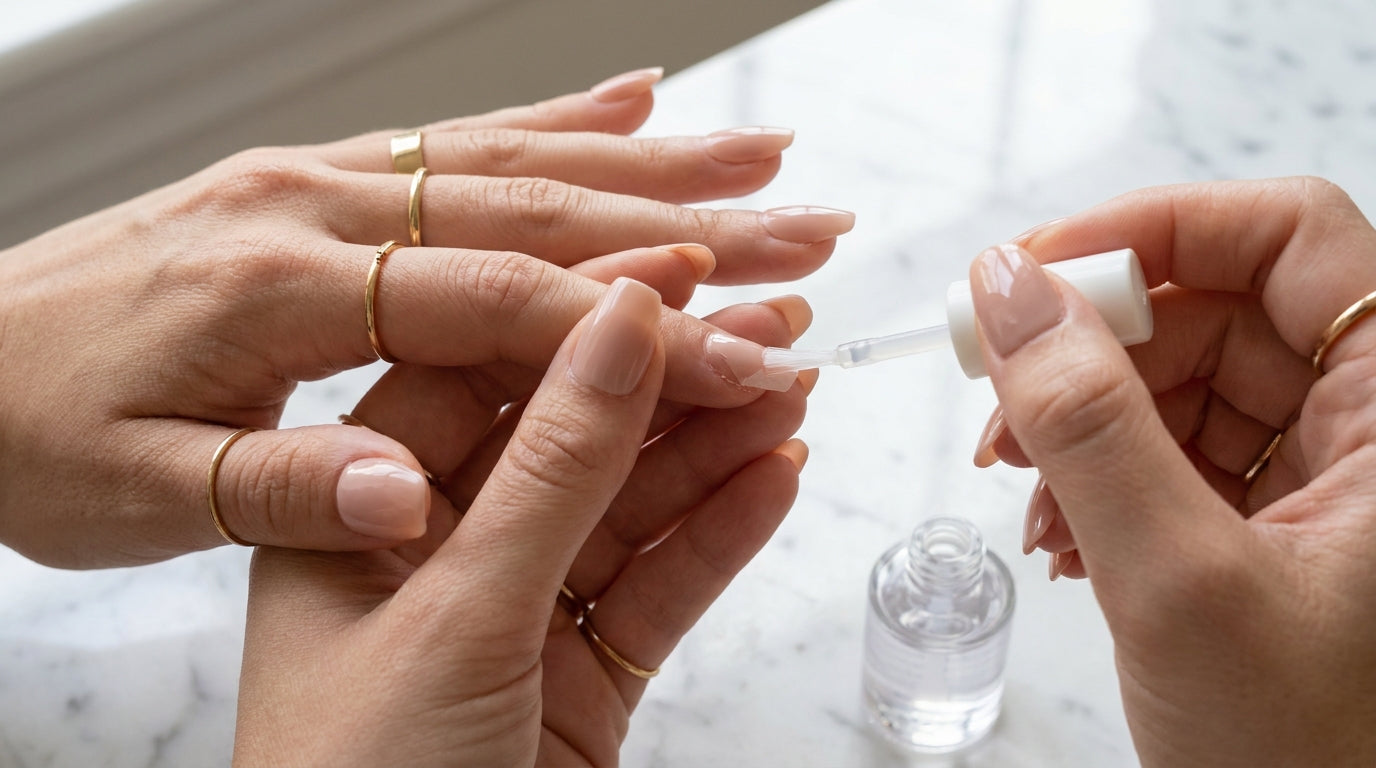
A broken press-on nail is easier to fix than you think — the right approach has you sorted in minutes.